
Stopping gambling addiction begins with recognizing key signs like urges to gamble and financial struggles. Creating a personal plan with clear goals and financial limits can help regain control. Managing triggers through mindfulness and support reduces relapse risk. Replacing gambling with positive activities boosts well-being 1bet2uthai. Professional help is crucial, offering therapy and group support for lasting recovery. Exploring these steps further reveals effective strategies to overcome gambling challenges.
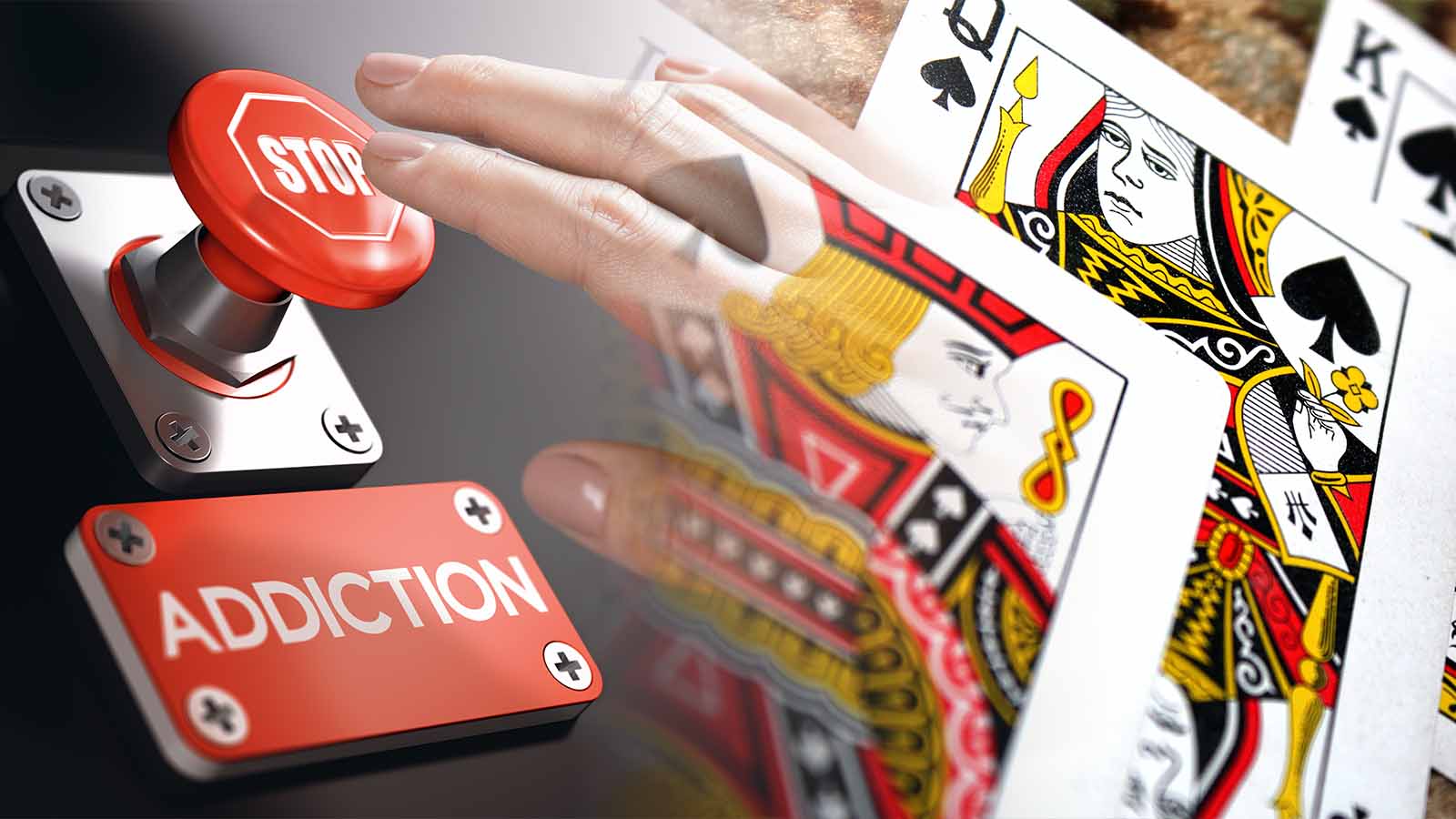
Recognize the Signs of Gambling Addiction
Although gambling can be a harmless pastime for many, recognizing when it shifts into addiction is crucial for regaining control. Signs include an overwhelming urge to gamble, spending more time or money than intended https://www.1bet222.com/th/th-th/, and feeling restless or irritable when not gambling.
Individuals may chase losses, believing they can win back what was lost, despite negative consequences. Gambling addiction often leads to neglecting responsibilities, strained relationships, and financial trouble.
Awareness of these indicators empowers individuals to take the first step toward freedom, acknowledging the problem without judgment and opening the door to positive change.
Make a Personal Plan to Stop Gambling Addiction
When someone acknowledges their gambling addiction, creating a personalized plan is essential for regaining control and fostering lasting change. This plan should outline clear, achievable goals and identify practical steps tailored to individual needs.
It may include setting financial boundaries, seeking support from trusted individuals, and establishing healthy routines that replace gambling habits.
Emphasizing self-compassion and patience, the plan acts as a roadmap toward freedom, helping to maintain focus during challenges.
Manage Gambling Urges and Avoid Triggers
Since gambling urges can arise unexpectedly, learning to recognize and manage them is crucial for sustained recovery. Individuals benefit from identifying personal triggers—such as stress, certain environments, or social circles—and developing strategies to avoid or cope with these situations.
Mindfulness techniques, like deep breathing or grounding exercises, can help reduce the intensity of urges. Maintaining awareness without judgment empowers individuals to regain control rather than succumb to impulses.
Support systems, including trusted friends or counselors, provide essential encouragement during challenging moments. Consistent effort in managing urges and steering clear of triggers lays a strong foundation for lasting freedom from gambling addiction.

Replace Gambling Addiction With Healthy Activities
Replacing gambling addiction with healthy activities offers a constructive path toward recovery by filling the void left by harmful habits. Engaging in physical exercise, creative hobbies, or social clubs can provide meaningful distractions and promote emotional well-being.
These positive outlets help rebuild self-esteem and establish a balanced routine, reducing the temptation to gamble. Encouraging individuals to explore new interests fosters a sense of purpose and control, essential for lasting change.
Get Professional Help for Gambling Addiction
Professional help plays a crucial role in overcoming gambling addiction by providing specialized support tailored to individual needs. Trained counselors and therapists offer evidence-based treatments, such as cognitive-behavioral therapy, to address underlying triggers and develop coping strategies.
Support groups create a safe space for sharing experiences, reducing isolation, and fostering accountability.
In some cases, medication may assist in managing co-occurring conditions like anxiety or depression.
Seeking professional assistance empowers individuals to regain control, rebuild their lives, and embrace freedom from compulsive gambling. Early intervention increases the likelihood of sustained recovery and long-term well-being.
Conclusion
Overcoming gambling addiction requires acknowledging its signs and committing to change. By creating a personal plan, managing urges, and avoiding triggers, individuals can regain control. Replacing gambling with healthy activities fosters positive habits, while seeking professional help offers essential support and guidance. Recovery is a gradual process that demands patience and resilience, but with the right strategies and encouragement, lasting freedom from gambling addiction is achievable.